
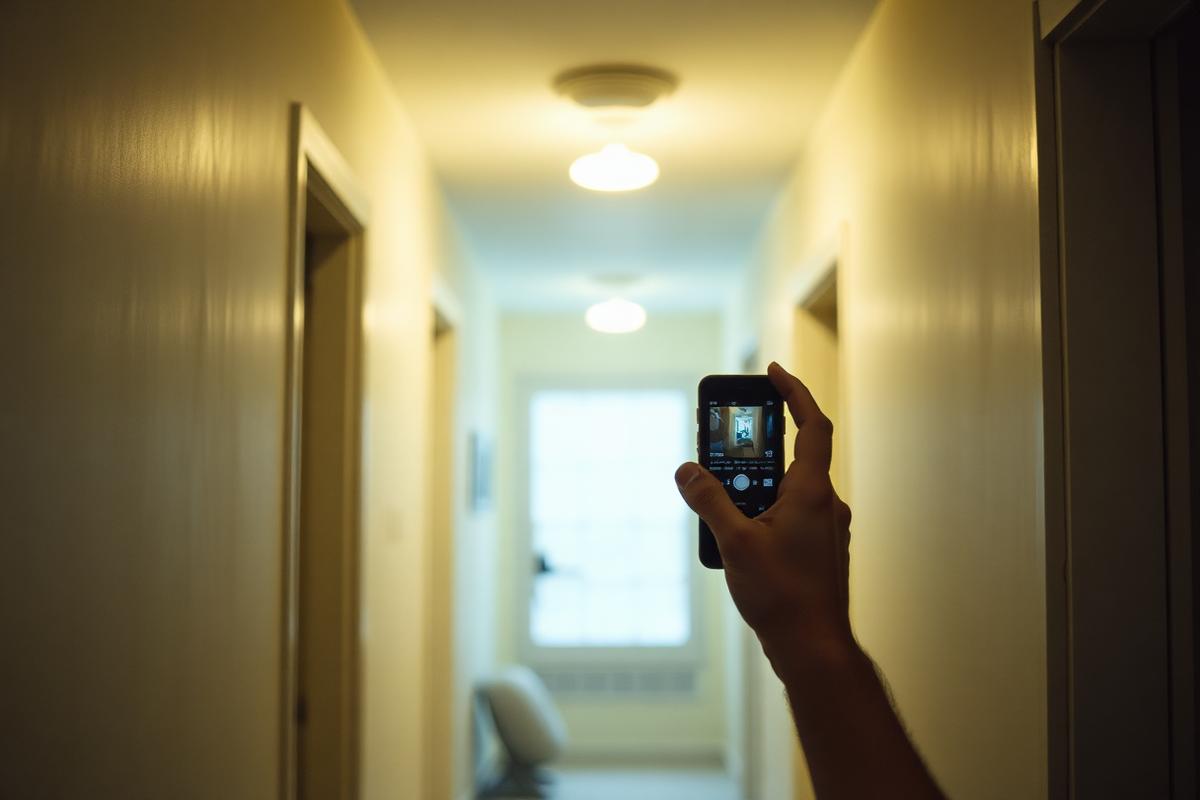
In practice the owner selects the location in the app, attaches a photo of the fault, gives a short description and indicates whether the problem seems urgent. This structured input lets the manager decide immediately whether it is an emergency or a normal case, instead of calling back with clarifying questions.
One of the biggest practical benefits is status tracking: the reporter sees that the fault was registered, whether a technician has been dispatched and when a solution or the next update is expected. This transparency reduces tense why is nothing happening follow ups.
On the manager's side the app automatically categorises and prioritises incoming reports, which saves real time especially in larger buildings with several hundred flats.
One important detail: app reporting does not replace the emergency phone channel. For an active burst pipe a phone call is still the fastest route, while the app is optimal for cases that need documentation rather than immediate intervention.
The long term benefit shows up in maintenance planning: patterns of recurring faults, the same pipe, the same lift, emerge clearly from the collected data, helping decide when a full replacement beats constant patching.
Merbo's eHáz app routes every report automatically to the right administrator, and the owner receives continuous, real time feedback on their phone.
For those switching from phone reporting, it is worth attaching as detailed a description and as many photos as possible in the first few cases, as this shortens the whole administration time.