
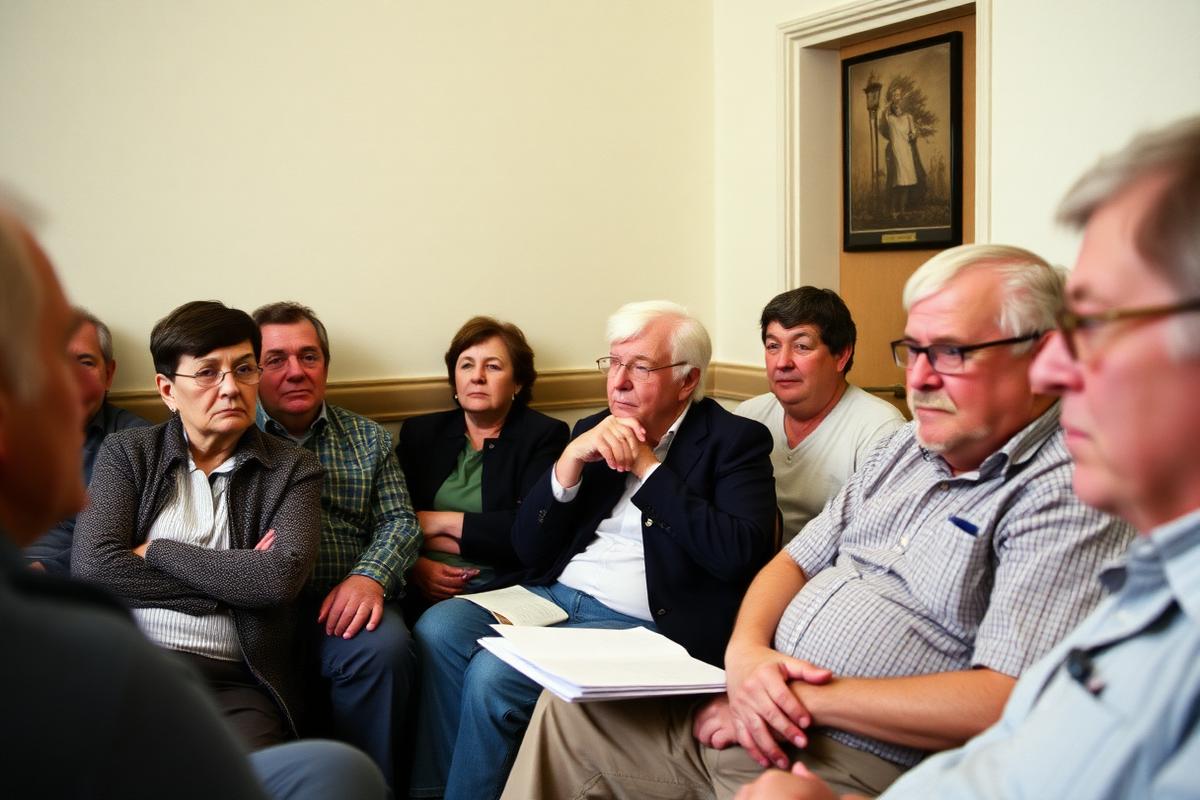
The first step is always documentation: raise the specific problems in writing, by email rather than verbally in the stairwell, with dates and items. This matters for two reasons: the representative may genuinely not have realised the severity of the issue, and if the community later decides on removal, this documentation supports the decision.
If nothing substantive changes after the written notice, the general meeting can decide to recall the common representative under the rules of the house rules or the law. As a rule a simple majority is enough, unless the founding deed or the house rules require stricter conditions. The law does not require special justification for a recall, but in practice an itemised, documented list of problems helps ensure the decision is not disputed afterwards.
It is important to know that recall and appointing a new manager does not solve everything immediately: time must be allowed for handover, for the orderly transfer of the full archive and the financial records. If the outgoing manager obstructs this, legal steps, even a formal lawyer's notice, may be needed to obtain the documents.
There is an important nuance: not every delay means poor work. A complex renovation project or an unusually high number of faults can genuinely cause temporary congestion. The question is whether it becomes routine, and whether the representative communicates about it proactively with concrete deadlines, or stays silent.
If you are unsure whether your situation is genuine underperformance or temporary congestion, Merbo offers a free assessment: we review the building's current documentation and processes with independent eyes before any decision is made.