
The common representative is the legal representative of the condominium under Act CXXXIII of 2003: they sign contracts on behalf of the building, represent it before authorities and courts, and are responsible for implementing general meeting resolutions and for the financial records. This is decision making and legal responsibility, not physical presence in the building.
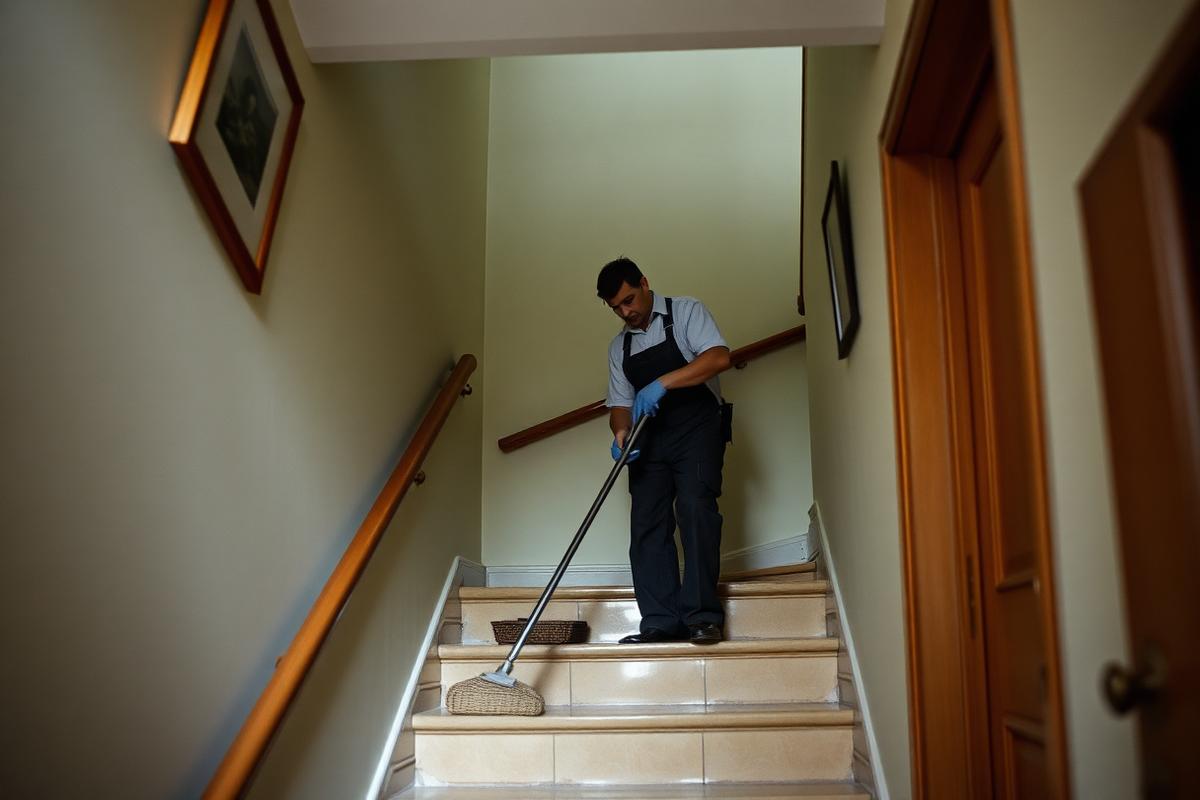
The caretaker, by contrast, has an operational, on site role: daily upkeep of common areas, immediate handling of minor faults, supervision of stairwell cleaning or waste management, and occasionally receiving suppliers on site. The caretaker generally decides nothing independently: they report, execute, or resolve simple issues locally, such as replacing a broken light bulb or clearing a blocked drain.
In practice this means a dripping tap goes to the caretaker and is solved there, while a contractual dispute with a supplier or the execution of a general meeting resolution clearly lands on the common representative's desk. Anything in between, such as approving a repair worth several hundred thousand forints, falls within the representative's authority, even if the caretaker spotted the fault first.
Liability also differs: the common representative is liable under the general damages rules of the Civil Code for damage arising from their activity, while the caretaker usually works under an employment or agency contract and under the representative's supervision, so ultimately the representative is accountable to the owners for the caretaker's mistakes.
If you are unsure who to turn to in your own building, ask the common representative which channel to use for minor and for major issues. Merbo provides clear written guidance on this to owners in every managed building.